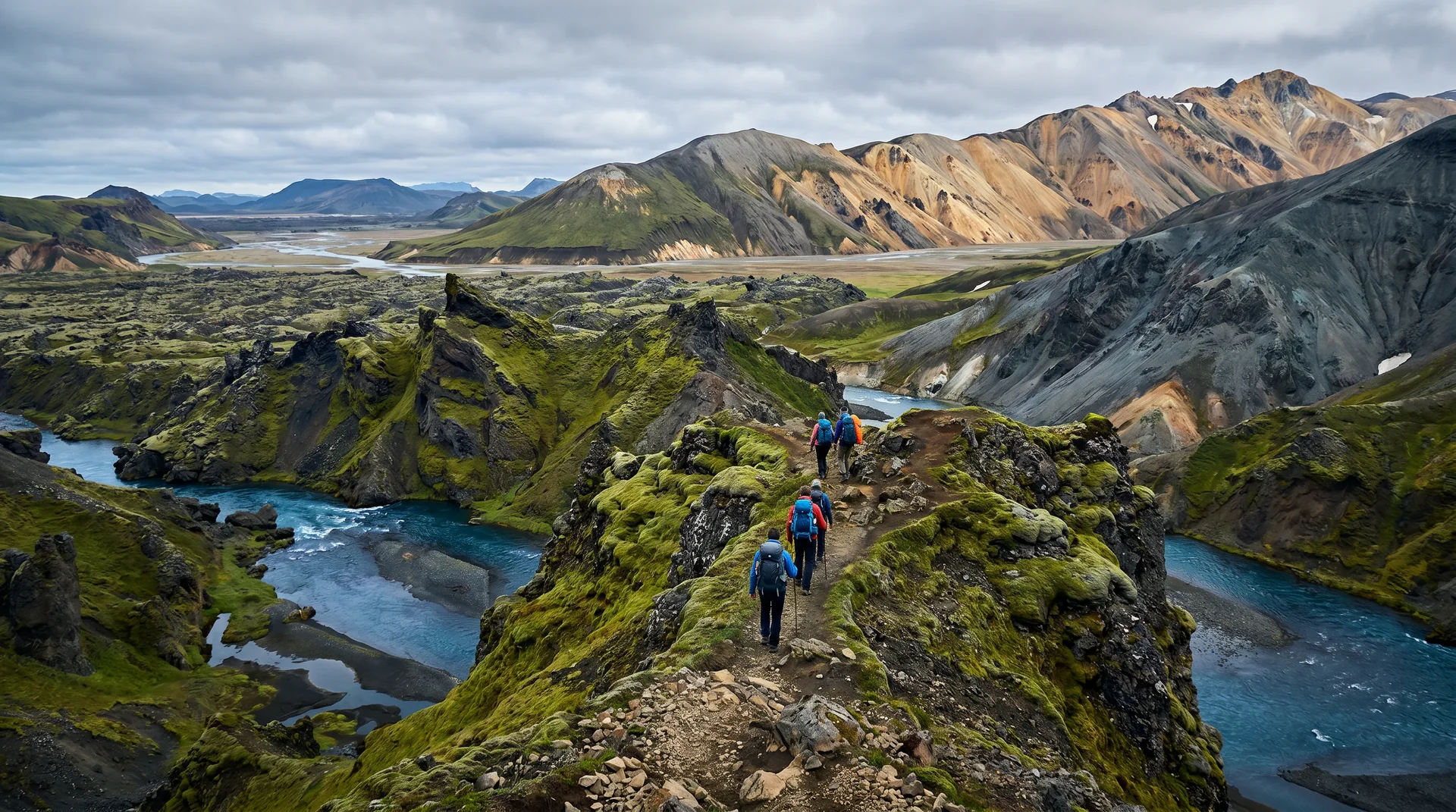
Hiking
Laugavegur, Fimmvörðuháls, Hornstrandir. Trails that open mid-June and close at the first September storms — a short, intense window of true wilderness.
What this experience actually feels like
You walk across rhyolite the colour of rust and fresh paint, ford a glacial river that hits your knees at 4°C, then crest a ridge and see the next valley spread out empty. Multi-day Icelandic hiking is the closest most travellers come to genuine wilderness — no signal, no infrastructure between huts, weather that can flip from sun to sleet in twenty minutes.
Volcanic geology, no trees on most of the trail, and full daylight in July make routes feel three times their actual length. Each day looks completely different from the last.
F-road access dictates trail-start dates. The famous Laugavegur trail can be cut short by a snow-blocked F208 even into mid-July. Always check road.is + safetravel.is the week before, not the month before.
- —Fit travelers comfortable carrying 40L for 4+ days
- —Anyone willing to book huts six months ahead
- —Travelers who treat sleet in July as part of the deal
- —Hikers expecting waymarked all-weather trails like the Alps
- —Anyone visiting outside late June through early September
- —Travelers who can't self-evacuate if a storm rolls in
When this experience is real
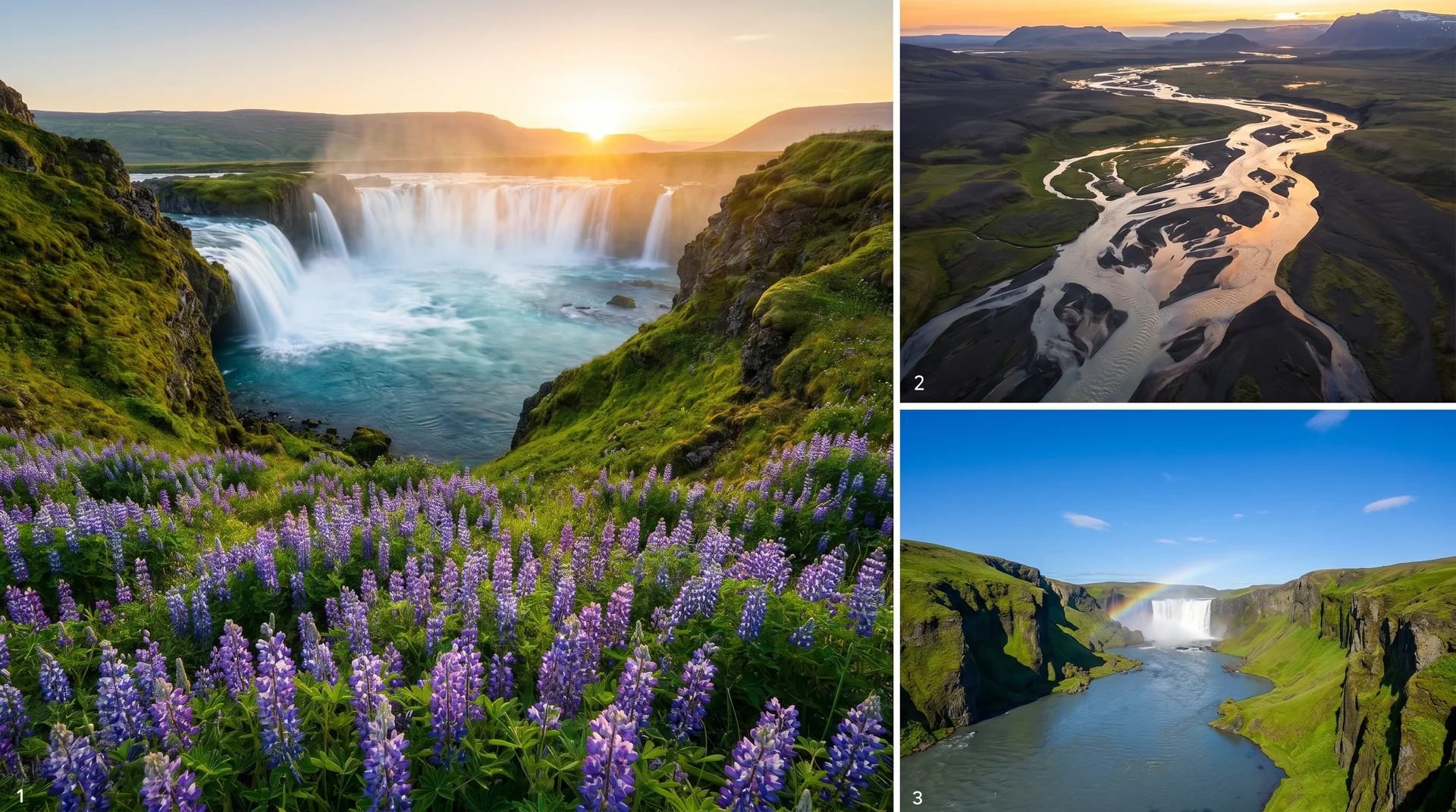
Early summer
Lowland trails open; highland routes still snow-blocked. Glymur, Hornstrandir possible.
Peak hiking
Laugavegur in full operation, huts staffed, F-roads open, midnight sun.
Late hiking
Cooler, autumn colour beginning, first storms returning — book flex.
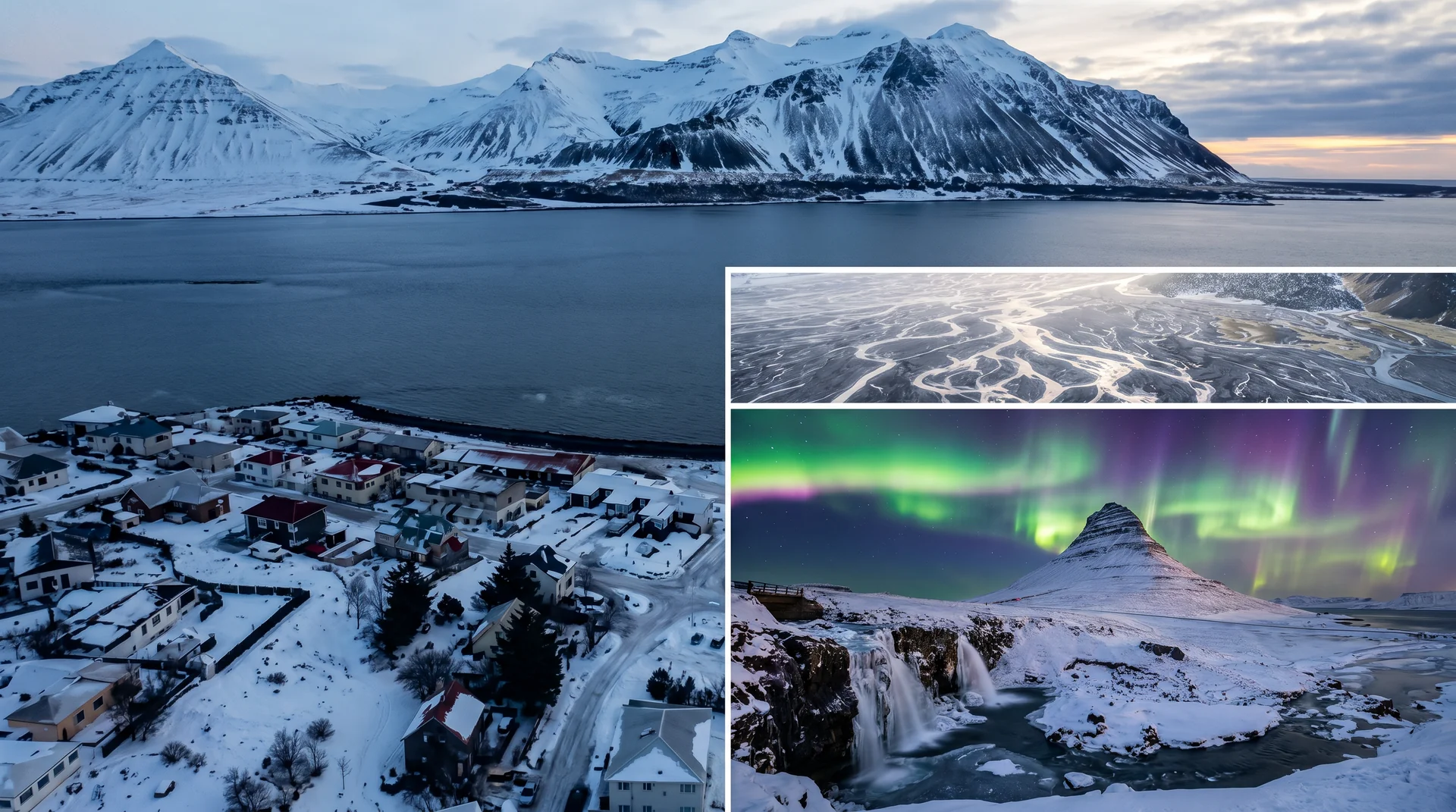
Closed window
Most huts shut, F-roads close, snow lingers above 700m into June.
Best routes for this experience
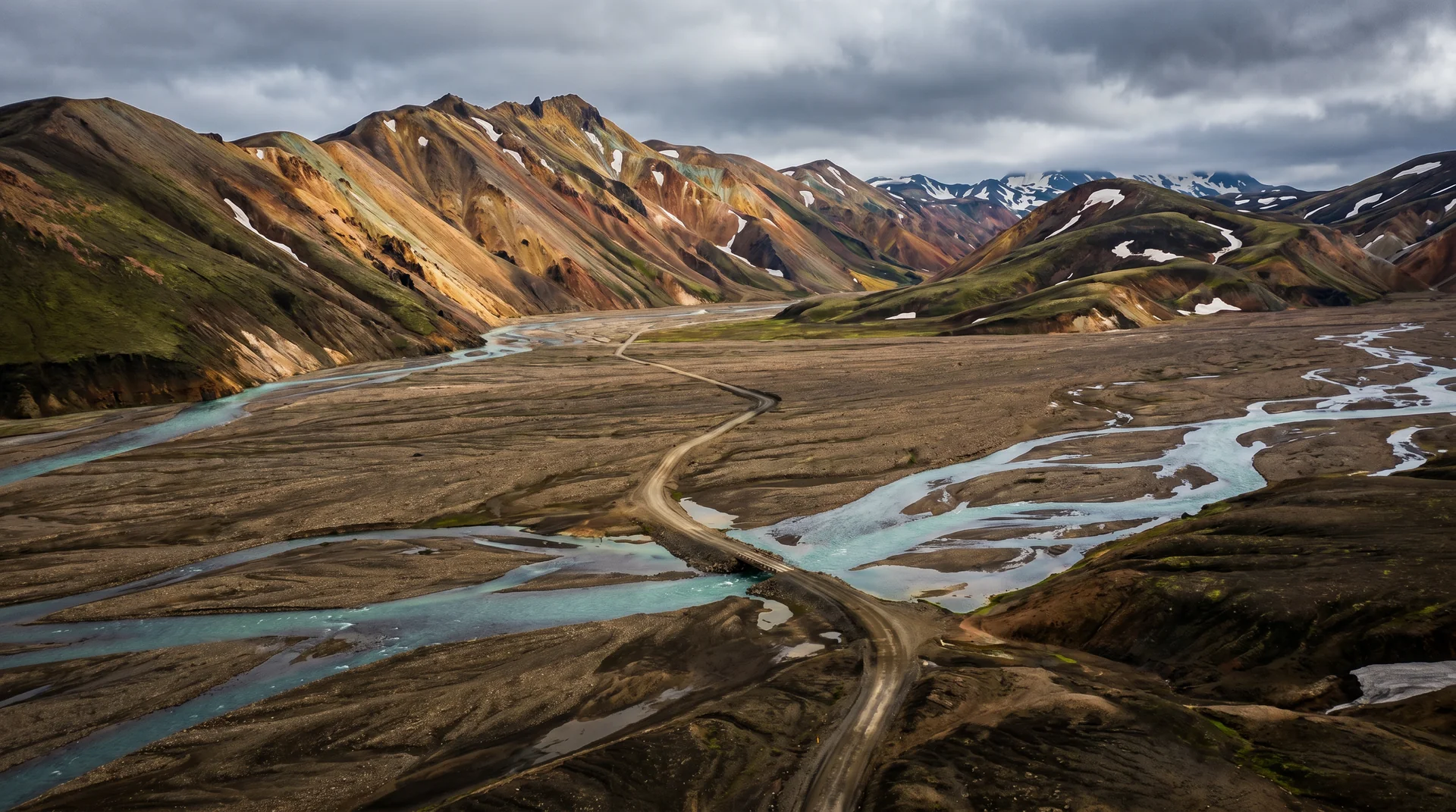
Laugavegur (Landmannalaugar → Þórsmörk)
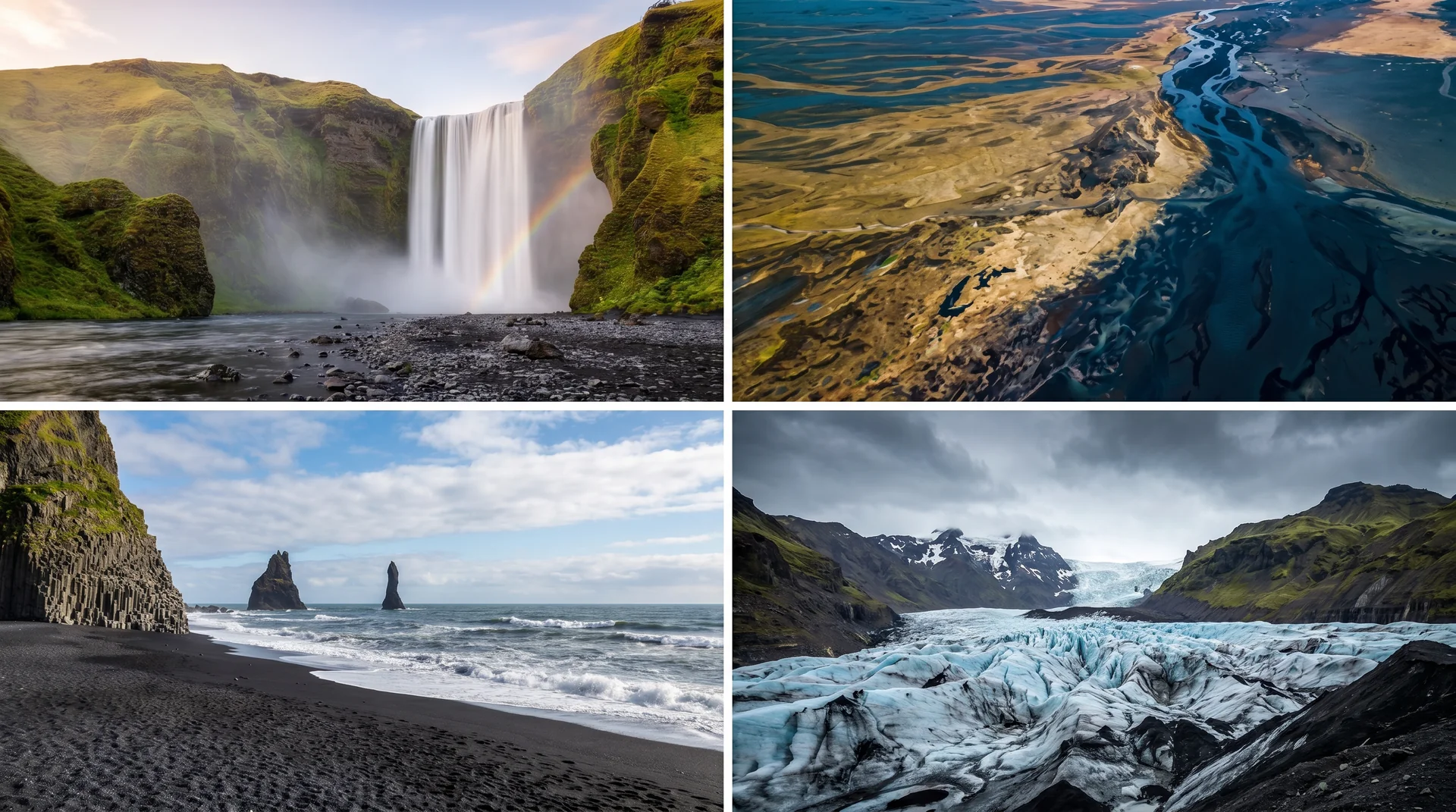
Fimmvörðuháls (Skógar → Þórsmörk)
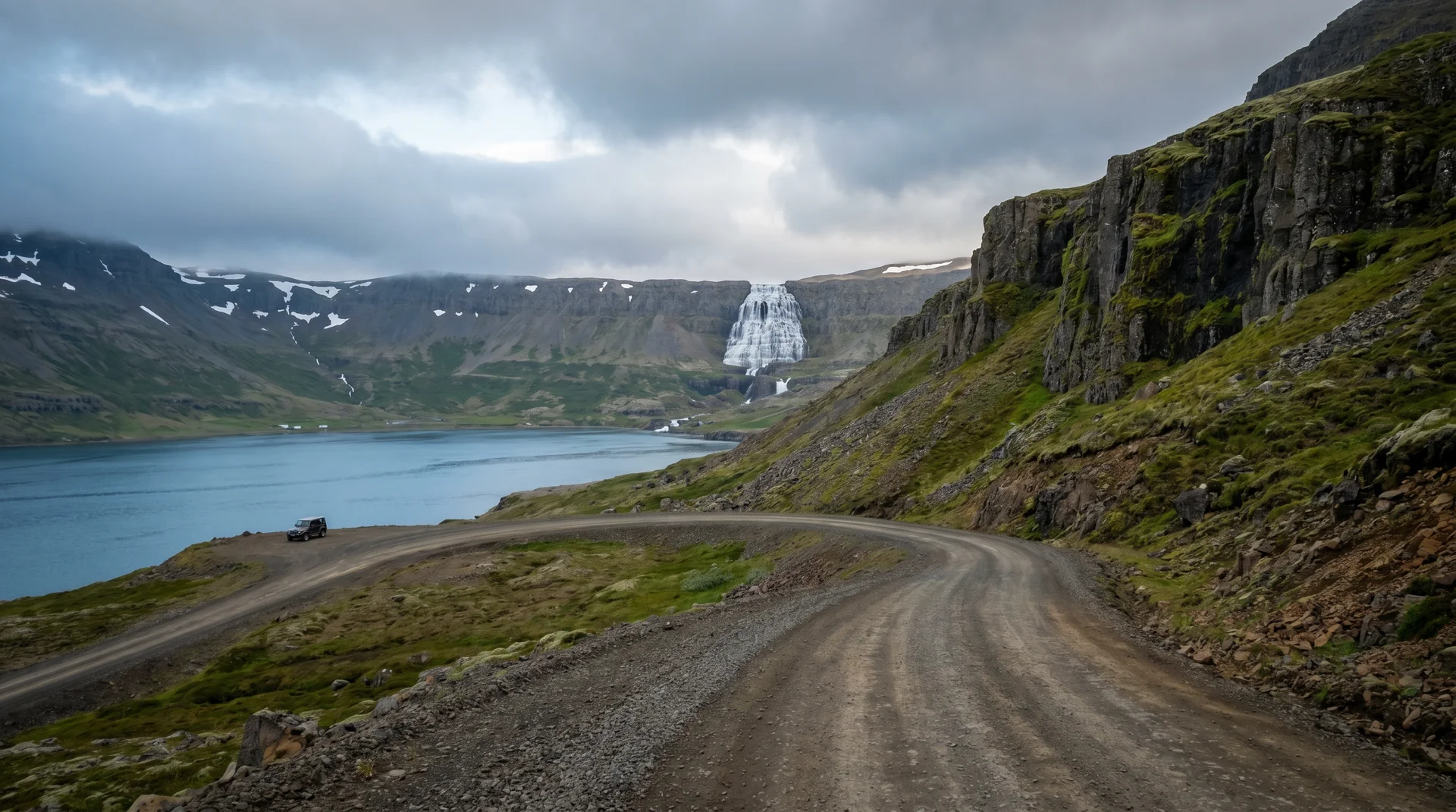
Hornstrandir Nature Reserve
Where the experience is sharpest
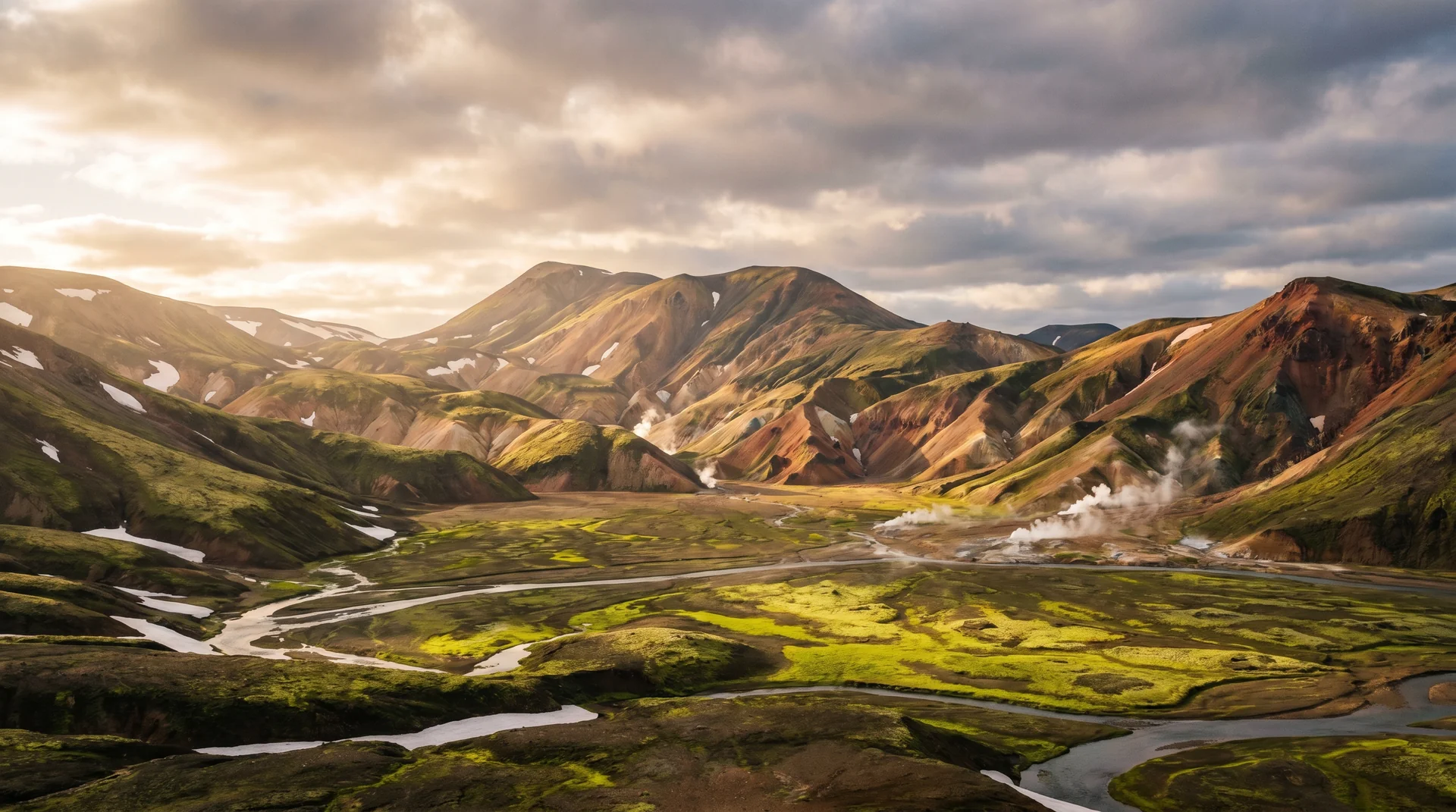
Landmannalaugar
Trailhead for Laugavegur. Hot spring waiting at the end of day one (or day zero).
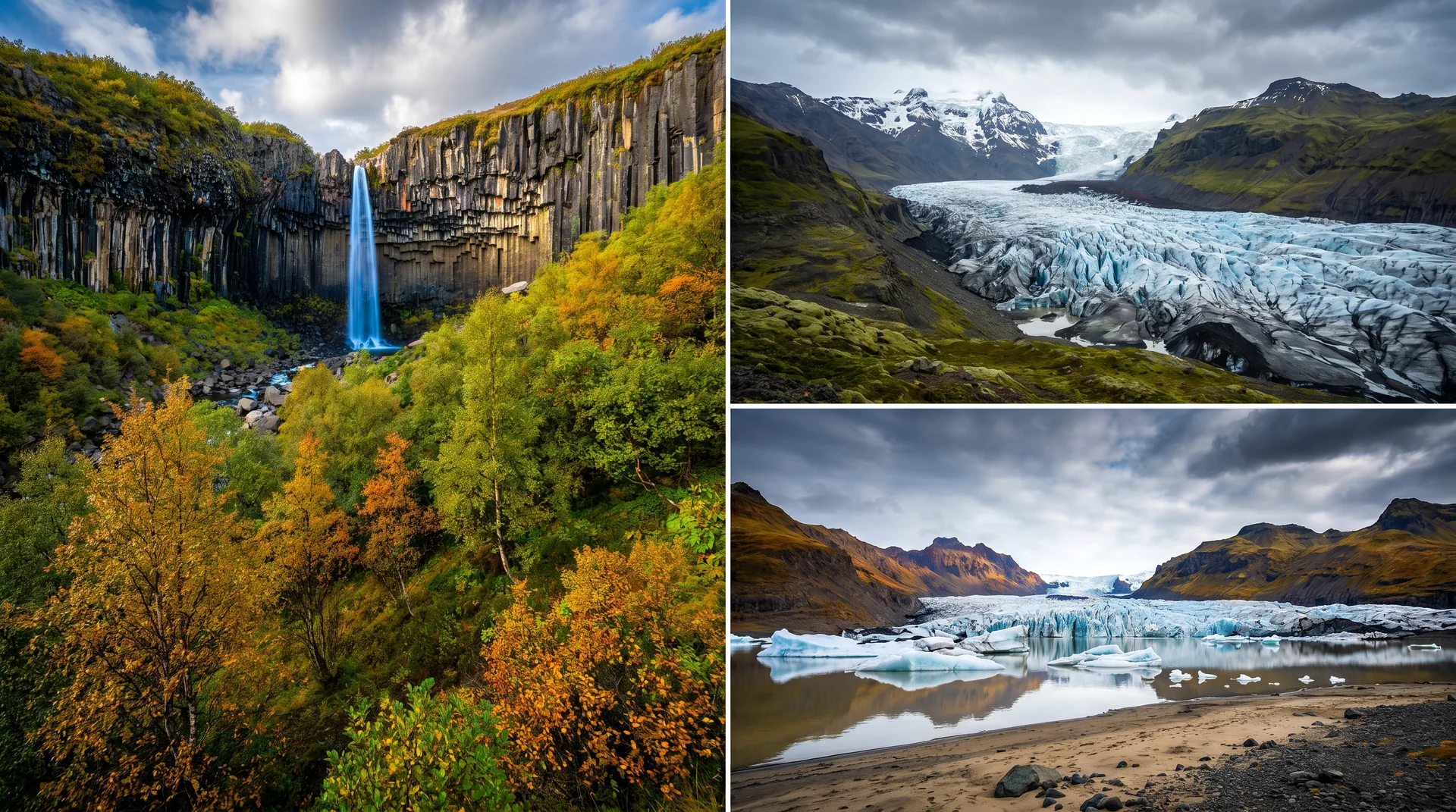
Skaftafell
Day hikes to Svartifoss + Kristínartindar with glacier views — easiest serious hiking in Iceland.
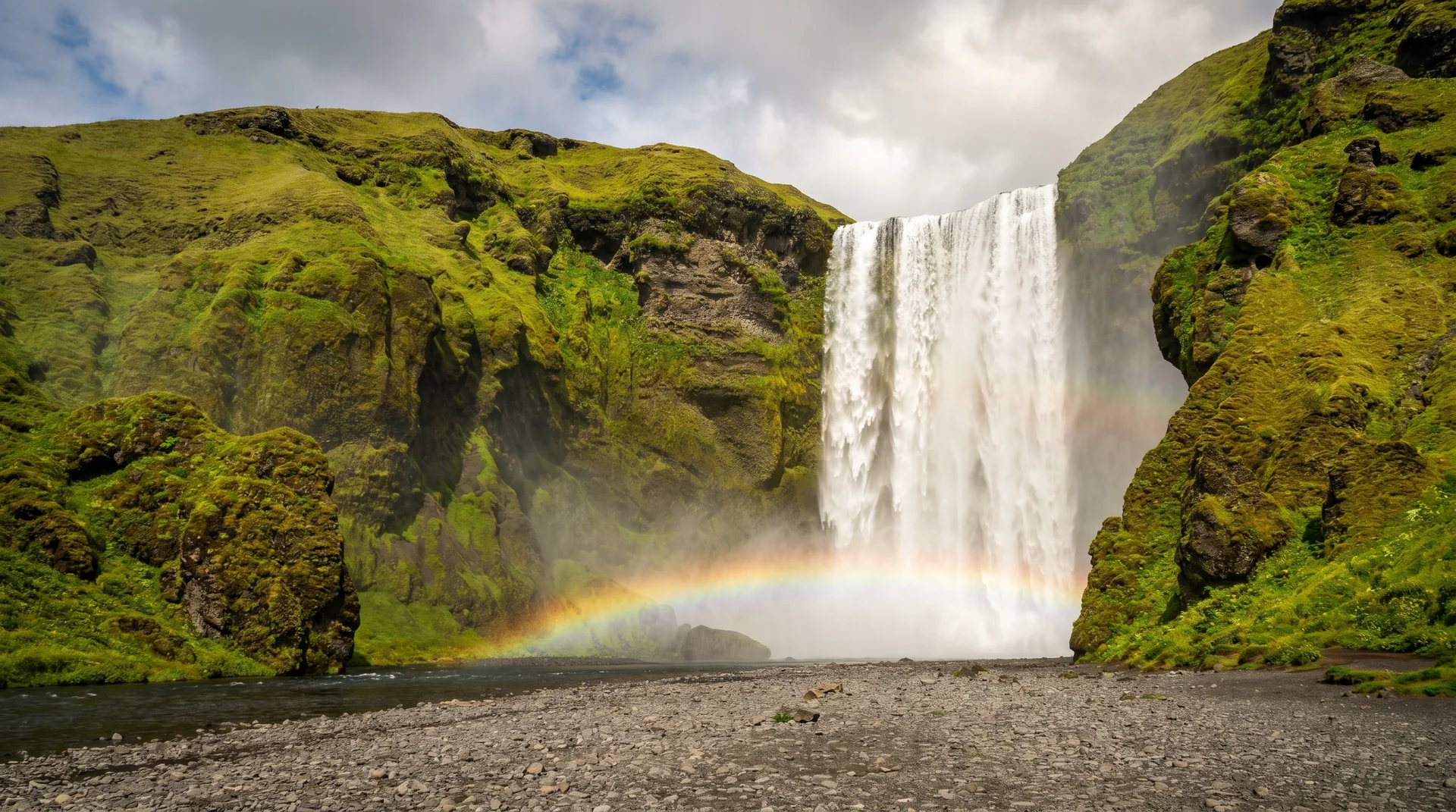
Skógar
Skógá river trail above the falls — 24 cascades over 8km. Lead-in to Fimmvörðuháls.
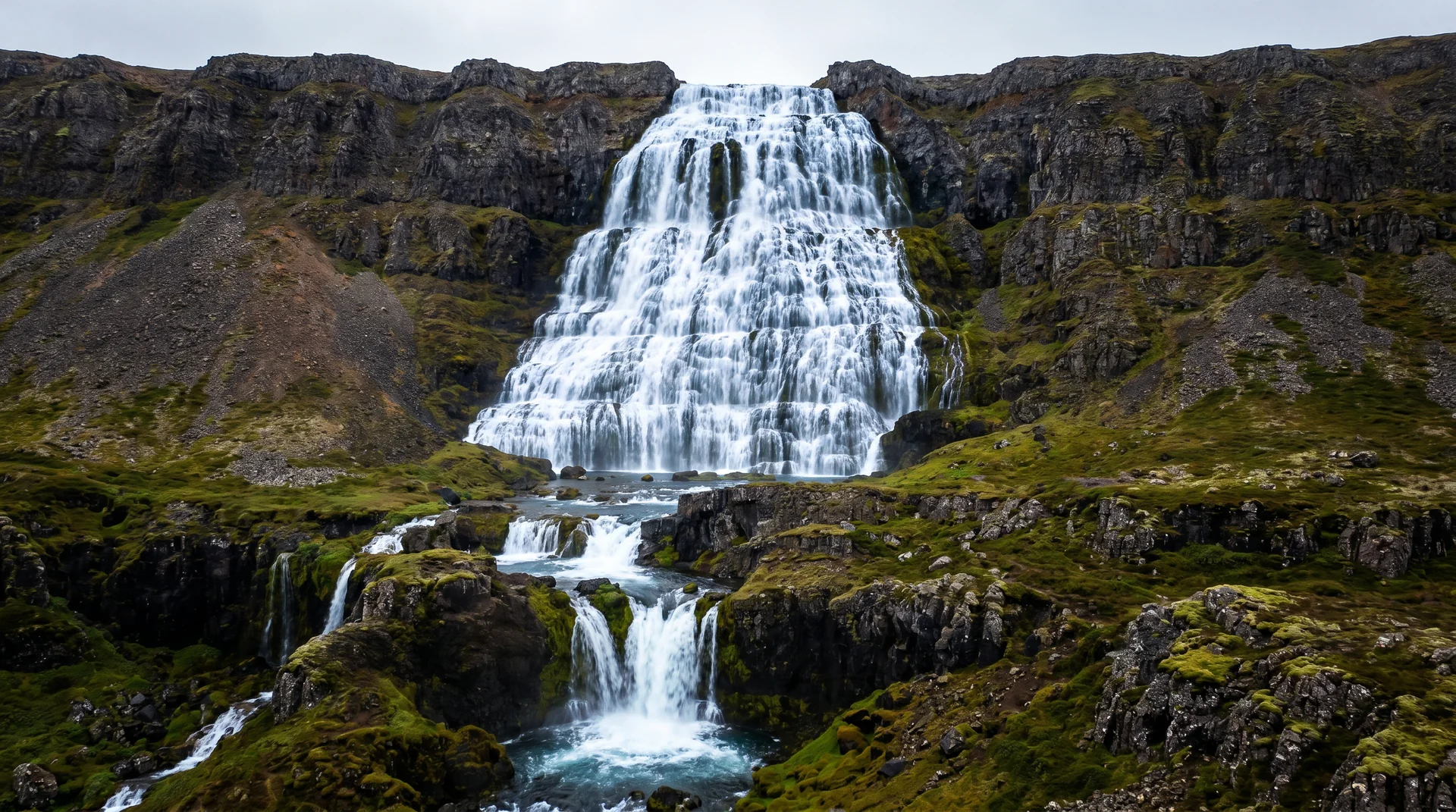
Westfjords trailheads
Quieter ridges and fjord rims — Dynjandi worth a half-day loop, Hornstrandir for the serious trip.
What can go wrong, plainly stated
July sleet is normal
Highland passes hit 0°C even in midsummer. Dress like it's spring in the Alps, not summer at sea level.
Glacial river crossings
Cold, fast, knee-to-thigh deep. Cross early morning before melt peaks. Unbuckle hip strap before stepping in.
Trail weather kills the unprepared
Hypothermia is the #1 ICE-SAR call-out on Laugavegur. Pack waterproofs you've actually tested, not theoretical layers.
Huts are first-come, then booked-out
Reserve Jan–Feb for July. Camping is the fallback but means hauling a four-season tent in 80 km/h gusts.
What to actually bring
- ·Hardshell jacket (Gore-Tex or equivalent)
- ·Hardshell trousers (not water-resistant — proper waterproof)
- ·Quick-dry base layers, never cotton
- ·Camp shoes for hut + river crossings
- ·Mid- or high-cut boots, broken in
- ·Gaiters (sleet + glacier dust both)
- ·Trekking poles (river crossings + scree)
- ·Map + compass — Icelandic peaks block GPS in valleys
- ·Sleeping bag rated -5°C minimum
- ·Hut booking confirmation printed
- ·Earplugs (40-bed huts in July)
The terrain that makes it possible.
Locations and routes plotted against weather-sensitive zones, dark-sky regions and seasonal access. Tap anything to open it in the Explorer.
Common mistakes — read this first
Booking Laugavegur for late September
Huts close mid-September; the last bus from Þórsmörk leaves before then. Stick to mid-Jun → early Sep.
Starting Fimmvörðuháls in cloud
The pass at 1,000m is featureless and unmarked in fog. People walk straight off the side. Wait a day.
Trusting cotton anywhere
Cotton wet equals cold body. Every Icelandic hiking fatality has a 'wore jeans' line in the report. Synthetic or merino, always.
Skipping the river-crossing recon
The water depth at 09:00 is half what it is at 17:00. Plan crossings before melt peaks.
Conditions, right now
Related experiences