Campervan Iceland
An island built for the road — if you respect the wind. Self-contained travel that rewards flexibility and punishes haste.
What this experience actually feels like
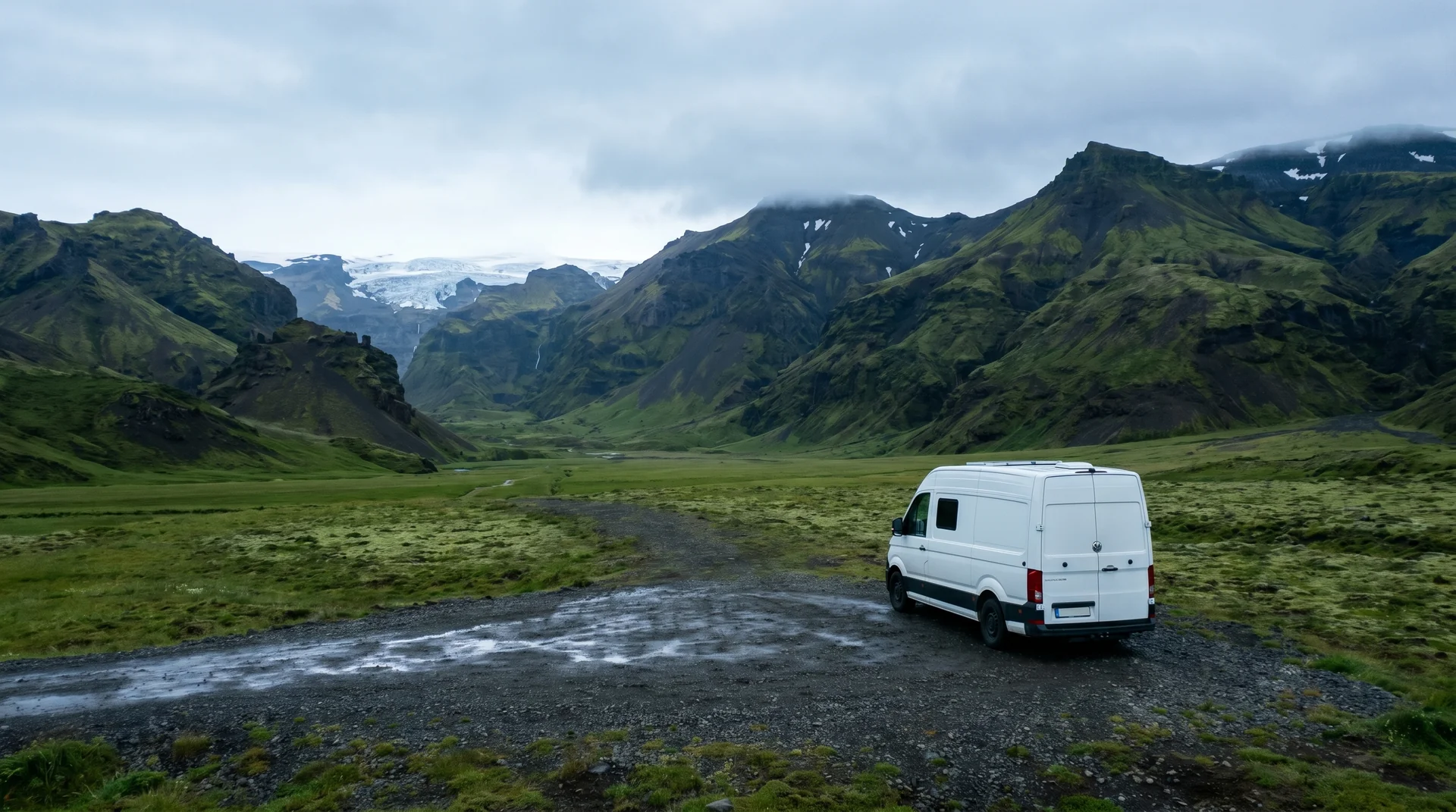
Mornings inside a foggy van on a gravel turnout, kettle whistling, sheep outside. Days measured in kilometres and weather forecasts, not in attractions. The van itself becomes the trip — your kitchen, bedroom, and reading room on a moving island.
A 1,309 km paved ring with hundreds of registered campsites, geothermal pools every 80 km, and infrastructure designed around independent travelers.
Wild camping is illegal in most of Iceland since 2015. You must use designated campsites — and many close September through May.
- —Flexible travelers comfortable adjusting daily
- —Couples or small groups who want autonomy
- —Anyone who finds hotels a constraint
- —Tight schedules with hotel-style comfort needs
- —Travelers uncomfortable with confined sleeping
- —First-time international drivers in winter
When this experience is real
Late spring
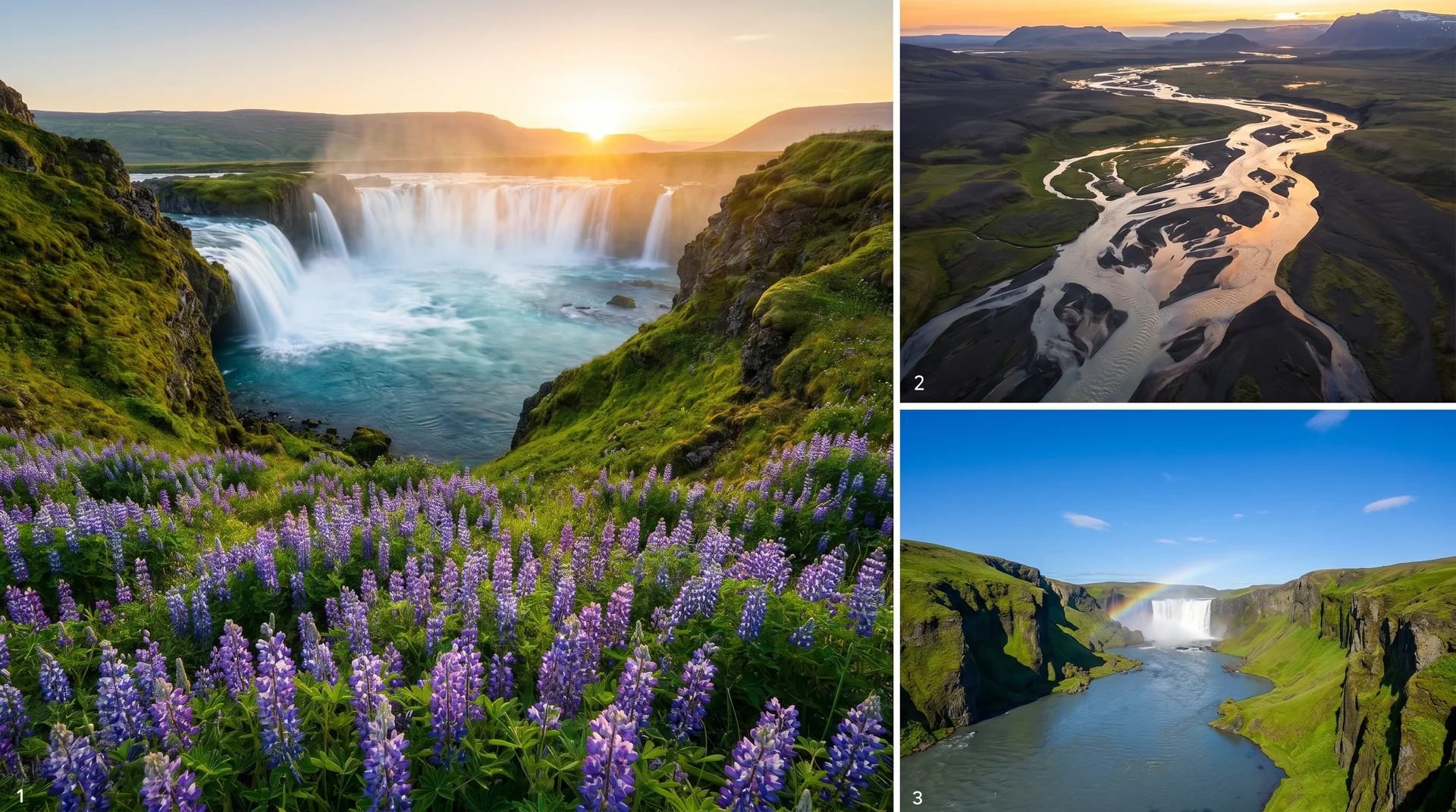
Most lowland sites open mid-May, highlands still closed.
Peak summer
All routes open, midnight sun, highest campsite availability.
Early autumn
Quieter, autumn light, most infrastructure still operating.
Winter
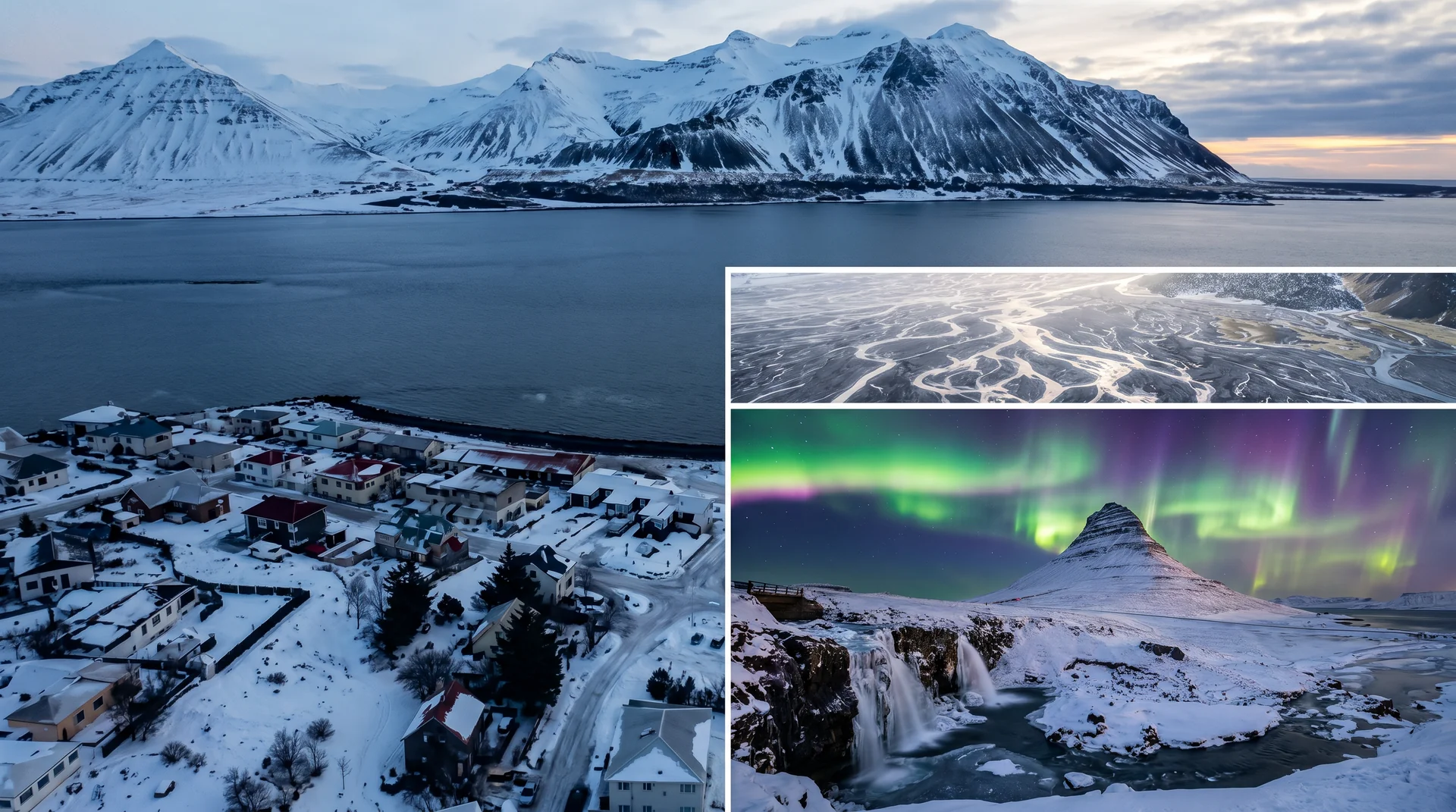
Most campsites closed, storms can ground vans for days.
Best routes for this experience
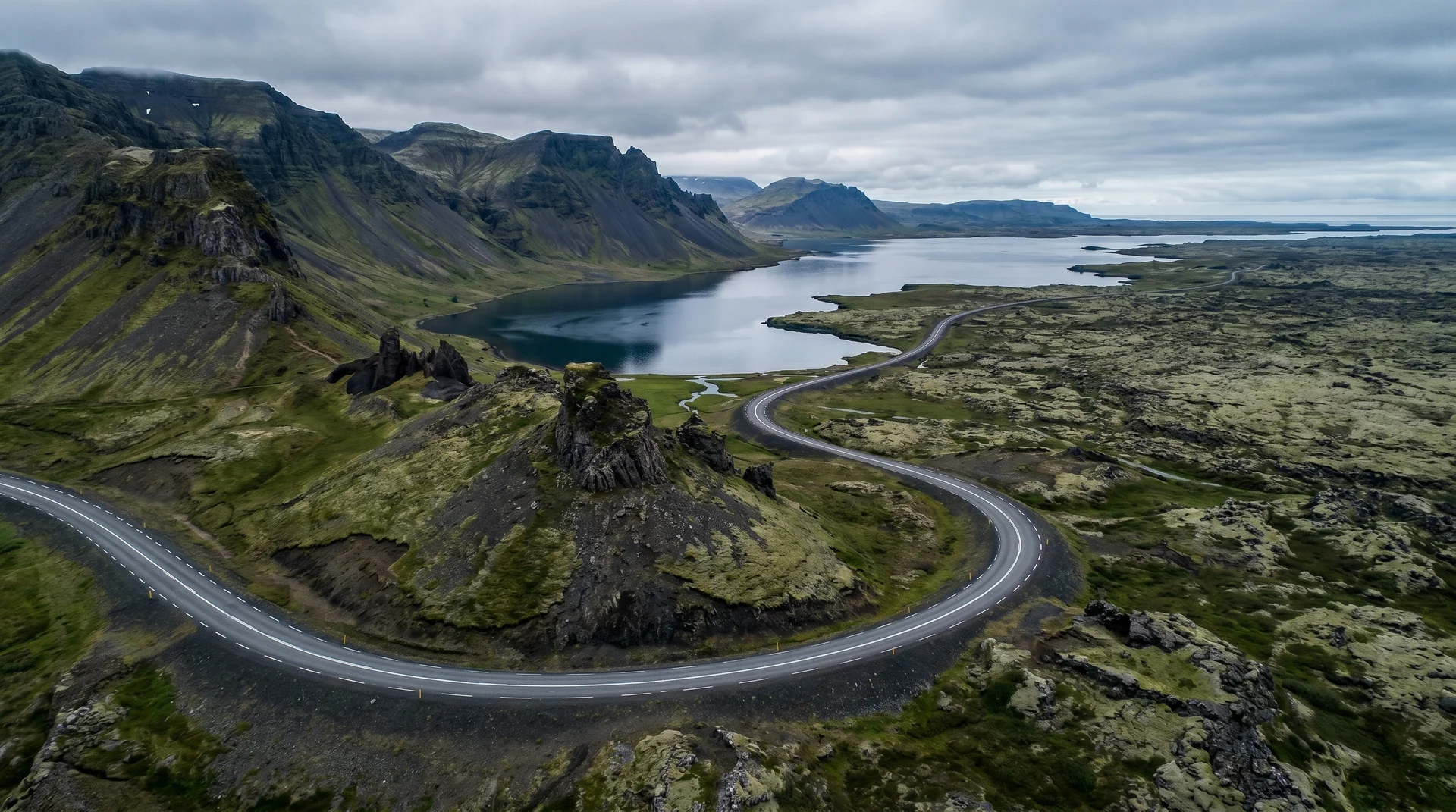
Full Ring Road
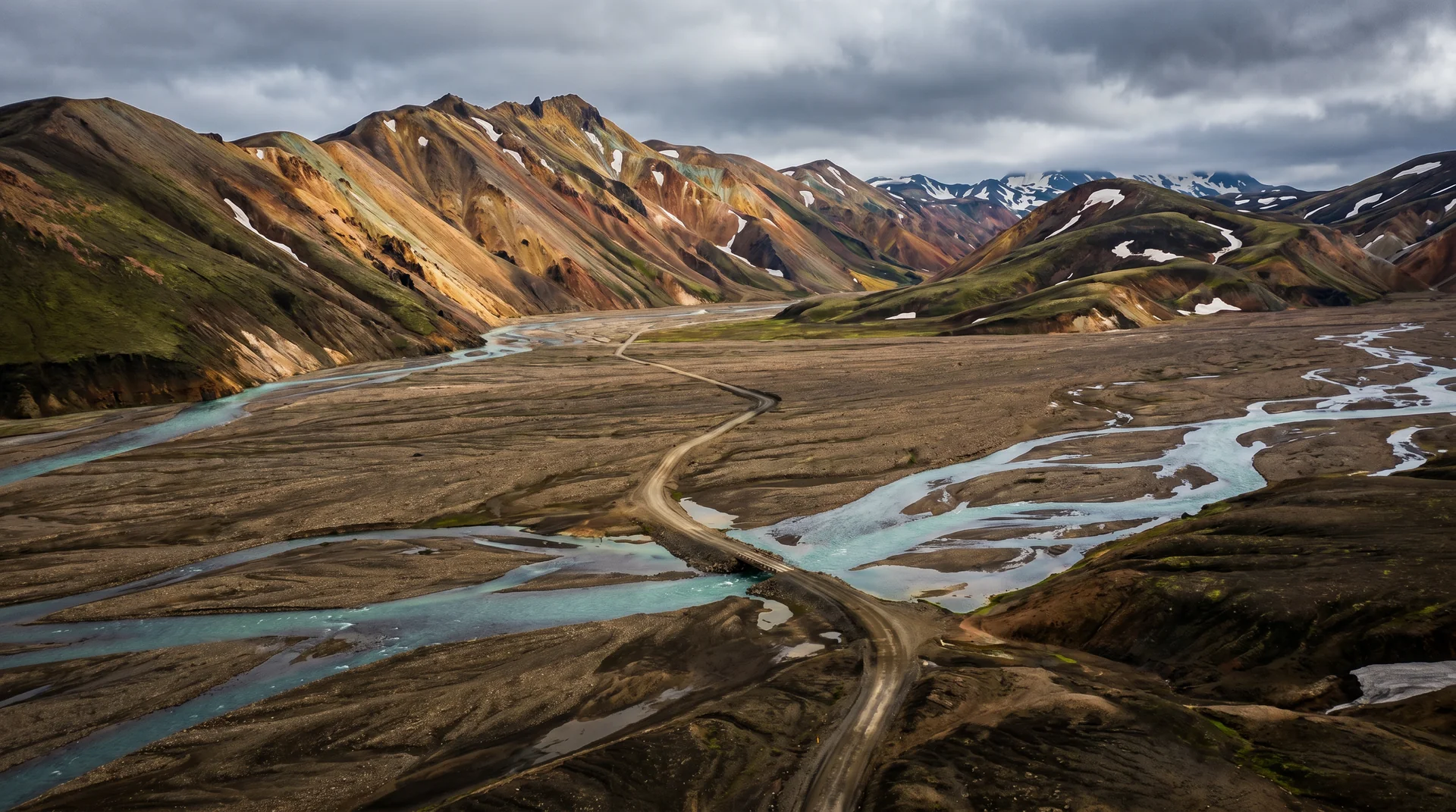
Summer Highlands (F-roads)
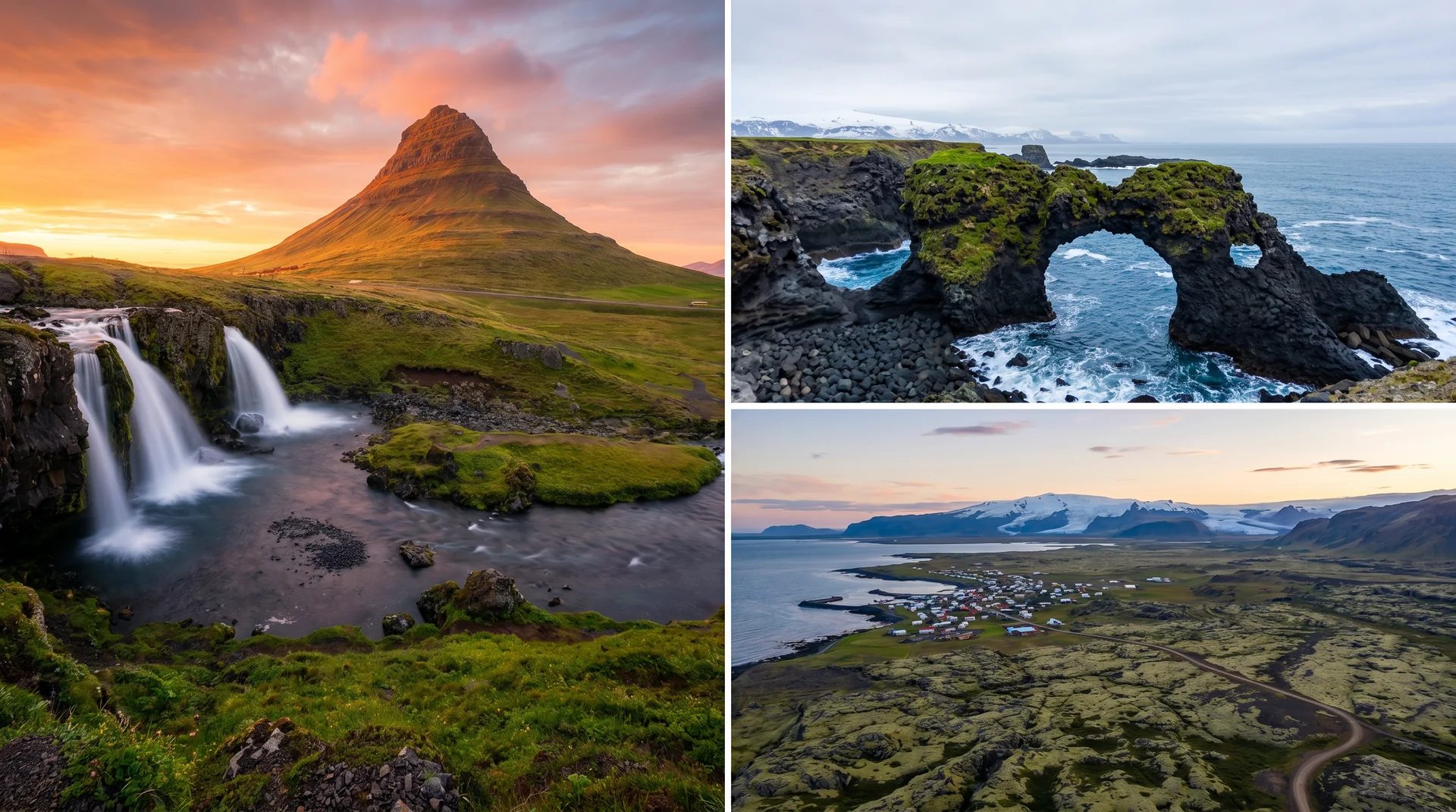
Snæfellsnes Loop
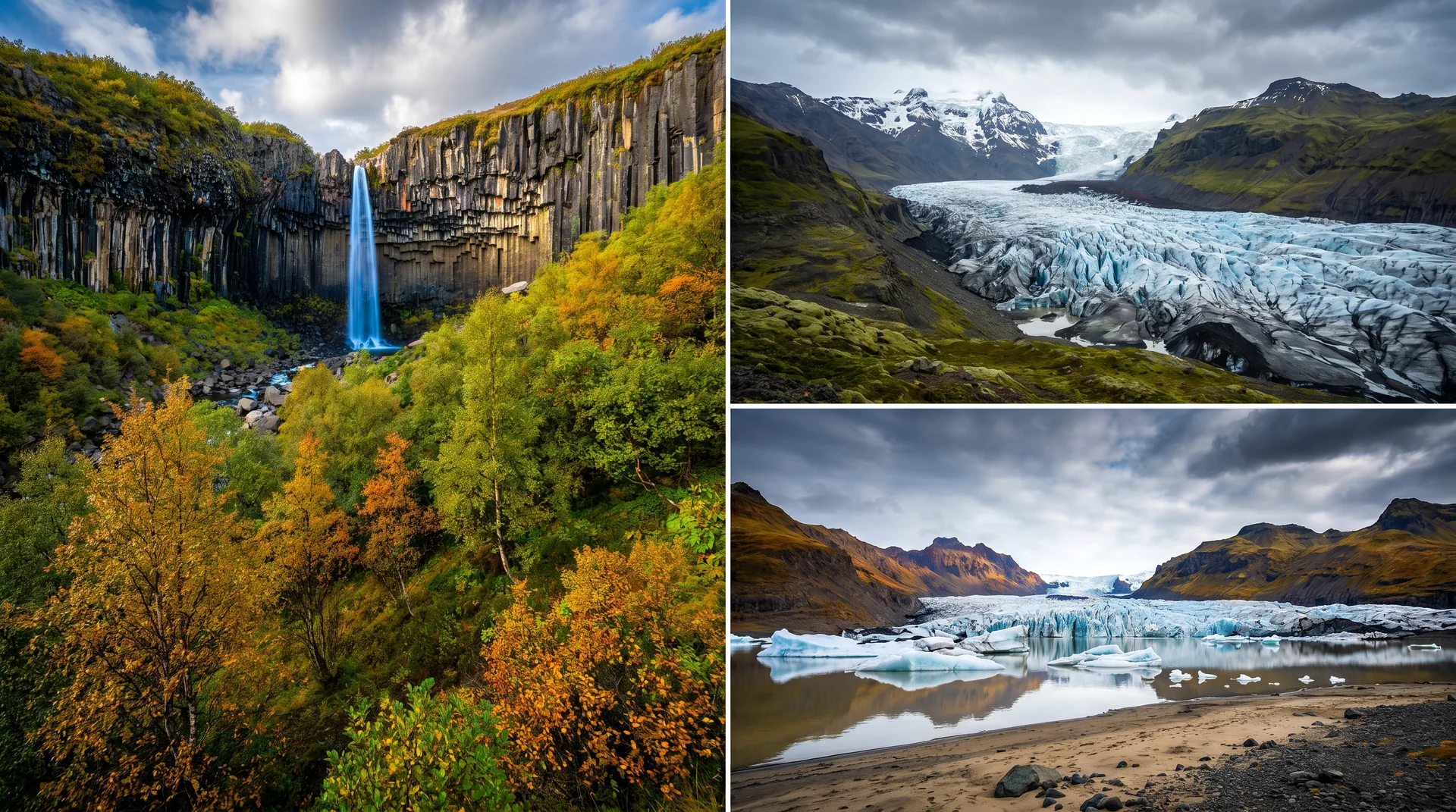
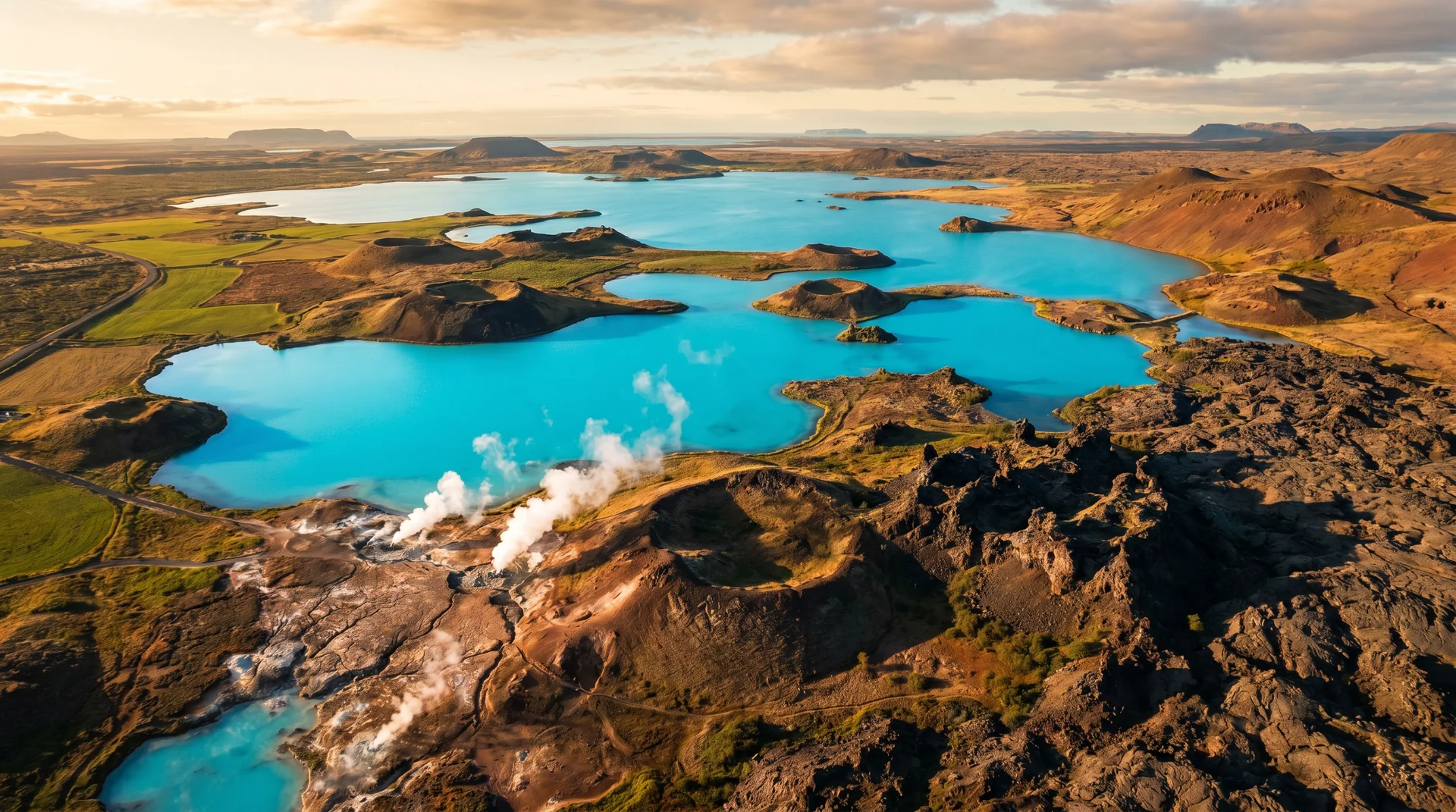
Where the experience is sharpest
What can go wrong, plainly stated
Wind is your daily forecast
Above 18 m/s, opening a van door can rip it off its hinges. Park nose-into-wind. Always.
Sandstorms exist
Black-sand regions in south Iceland can shred paint in minutes during dry windstorms. Check vedur.is before parking.
Campsite quality varies wildly
From full-service hot showers to a flat patch of grass with an honesty box. Adjust expectations regionally.
F-roads are not optional gravel
They require 4×4, often river crossings, and dedicated insurance. A 2WD van on an F-road voids everything.
What to actually bring
- ·Diesel heater (essential outside July–Aug)
- ·Levelling blocks
- ·Wind-rated awning (or none at all)
- ·Power bank for cold nights
- ·Wind shield for stove
- ·Refillable propane (Reykjavík)
- ·Insulated mugs — wind kills warm drinks fast
- ·Park4Night / Tjalda app
- ·vedur.is wind forecast
- ·road.is conditions
The terrain that makes it possible.
Locations and routes plotted against weather-sensitive zones, dark-sky regions and seasonal access. Tap anything to open it in the Explorer.
Common mistakes — read this first
Underestimating wind damage
Door hinges, awnings, and roof vents are the most common insurance claims. Always park into the wind.
Booking the smallest van for two people
After day 5, a 2-berth feels punishing in rain. Step up one size if budget allows.
Trying to do the Ring Road in 6 days
It's possible — and you'll see almost none of it. 10 days is the practical minimum.
Assuming wild camping is allowed
Illegal since 2015. Use park4night for designated sites; many farms host paid pitches.
Conditions, right now
Related experiences