Látrabjarg
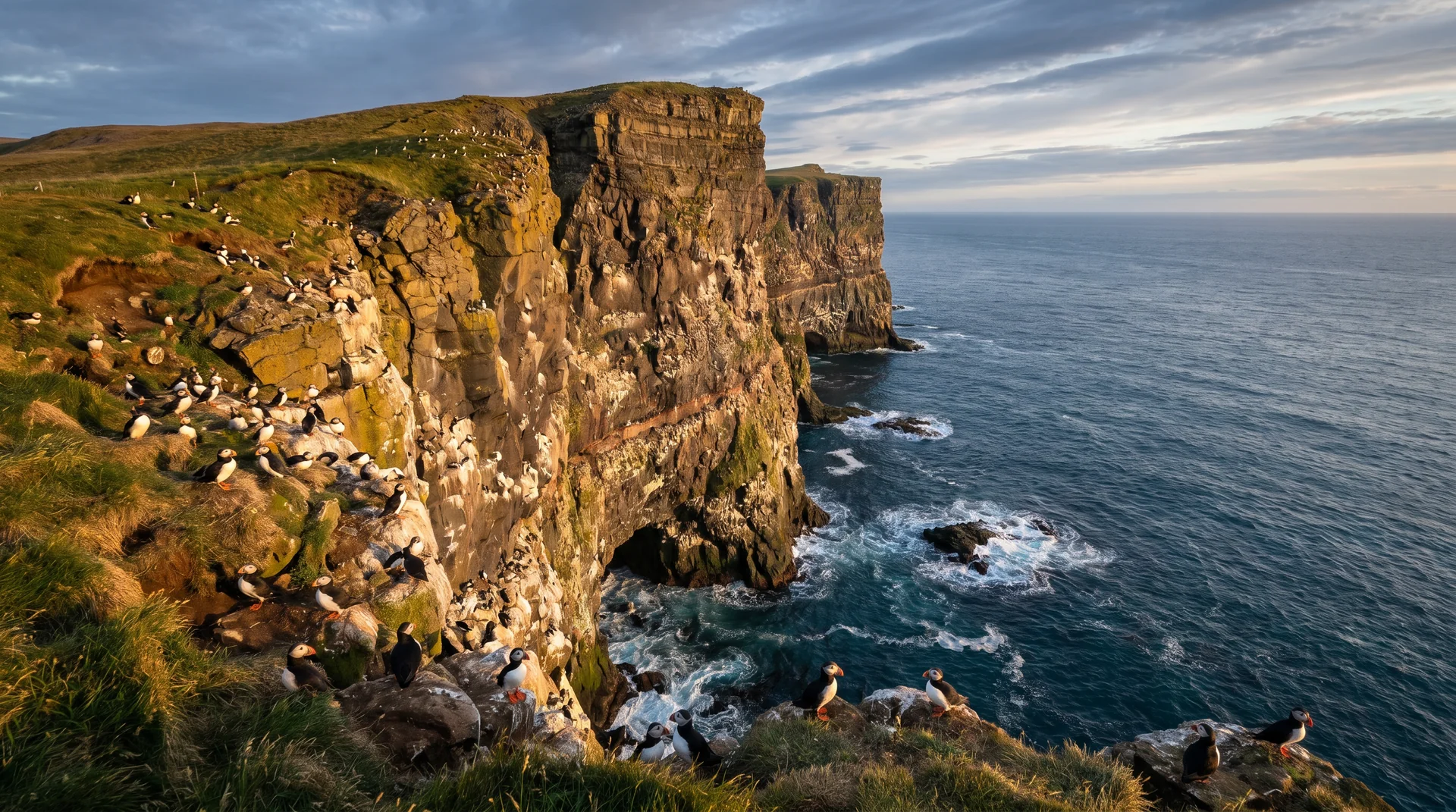
Europe's largest bird cliff — 14 kilometres long, 440 metres tall, and the westernmost point in Iceland. Home to one of the largest puffin colonies in the world. Completely unfenced. Wind gusts can push you. Stay 3 metres back, always.. Wind gusts can push you. Stay 3 metres back, always.
Why this place matters.
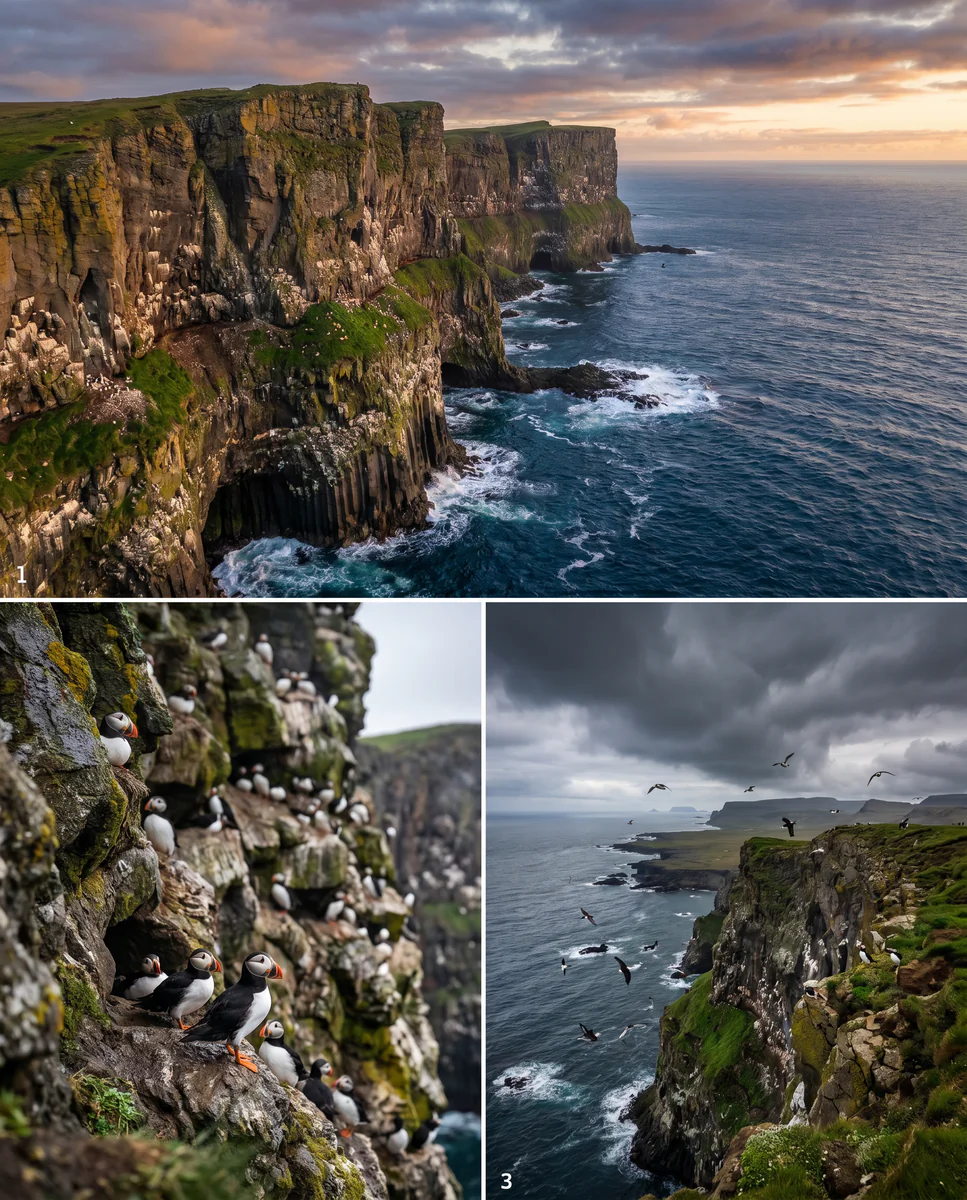
Látrabjarg is the western edge of Europe. The cliffs run 14 km between Bjargtangar and Keflavík, and millions of seabirds breed here every summer — puffins, guillemots, razorbills, kittiwakes, and northern fulmars in dense, raucous tiers.
The puffins arrive in late April and leave by mid-August. They burrow into the soft turf at the cliff edge and are remarkably unafraid of humans — you can be within a metre of them. The danger is not the puffins; it's the wind, the unfenced edges, and the 440-metre drop. Stay 3 metres back from the lip, always. Lie down to photograph if you want to be close.
Westfjords · the far western tip.
End of Route 612. The road in is gravel and slow.
Worth visiting — read the fine print.
Honest, not cynical. These are the things returning visitors tell first-timers.
No railings anywhere on the cliff line. People die here in wind. Stay 3 m back. If gusts exceed 15 m/s, retreat completely.
Open Atlantic from three sides. 25 m/s afternoon gusts common. Check vedur.is — Bjargtangar weather, not Patreksfjörður.
Outside that window, the cliffs are dramatic but birdless. Razorbills + guillemots arrive earlier, leave later.
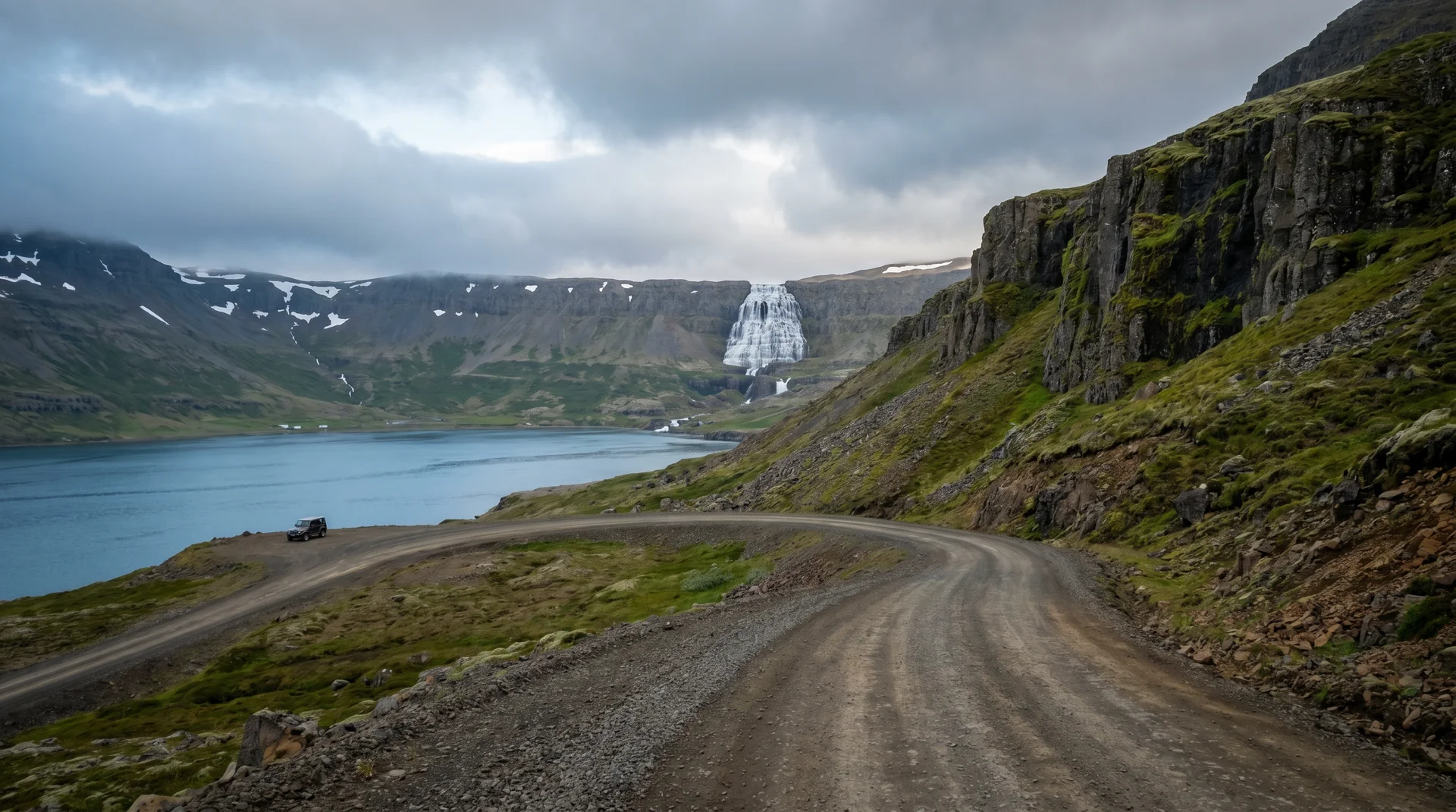
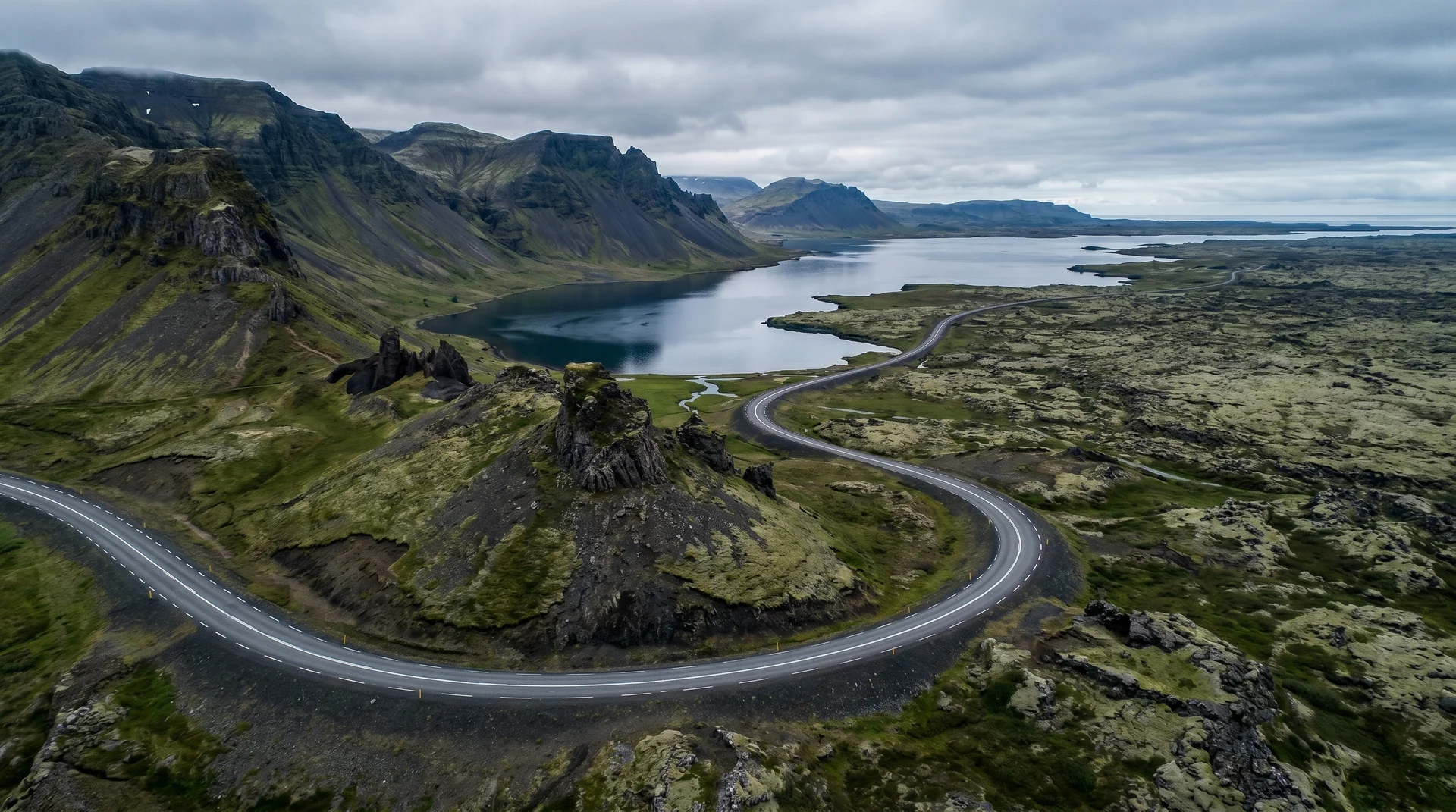
Route 612 from Patreksfjörður is 40 km of gravel and washboard. 1 hour each way. AWD recommended; 2WD survives but suffers.
The safest way to get close to puffins. Tripod won't work close to edge in wind. 100–400 mm lens, hand-held, prone position.
Bjargtangaviti lighthouse marks the end of the road. The small café is a perfect break before the long drive back.
When the place is itself.
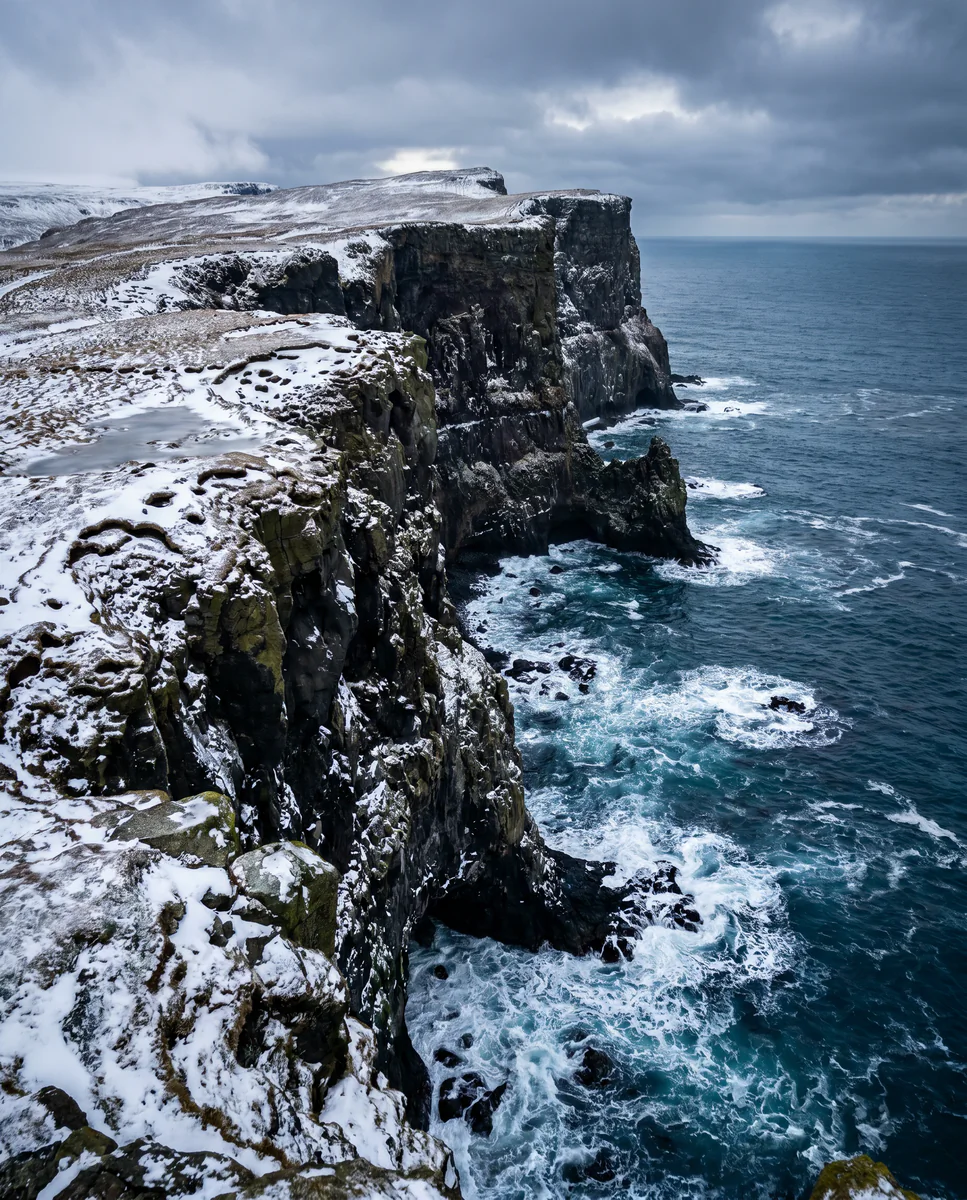
Puffin window late May – mid August. Outside that, the cliffs are spectacular but quiet. Road in is impassable winter — closed Oct – May.
Light, shaped by ice.
Prone position. 100–400mm. Sub-1 m distance possible. Patience for the head-tilt or wing-stretch moments.
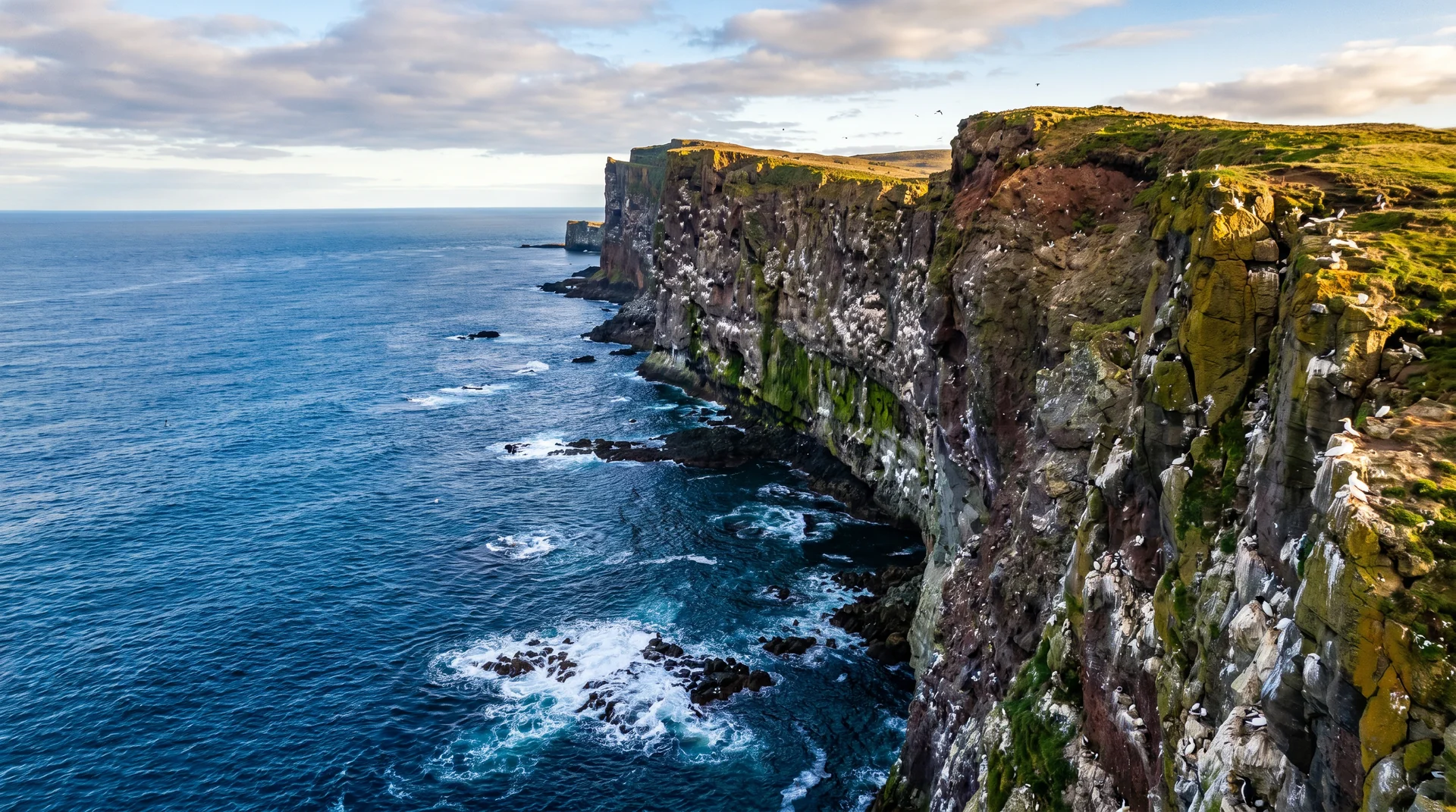
From the Bjargtangar end looking east along the cliffs. Wide angle (16–24mm). Dramatic in storm light.
Westernmost point in Iceland = uninterrupted sunset over open ocean. Midnight sun in June nearly horizontal.
From the road approach (10 km out), the cliffs catch dramatic backlight after rain.
Getting there, calmly.
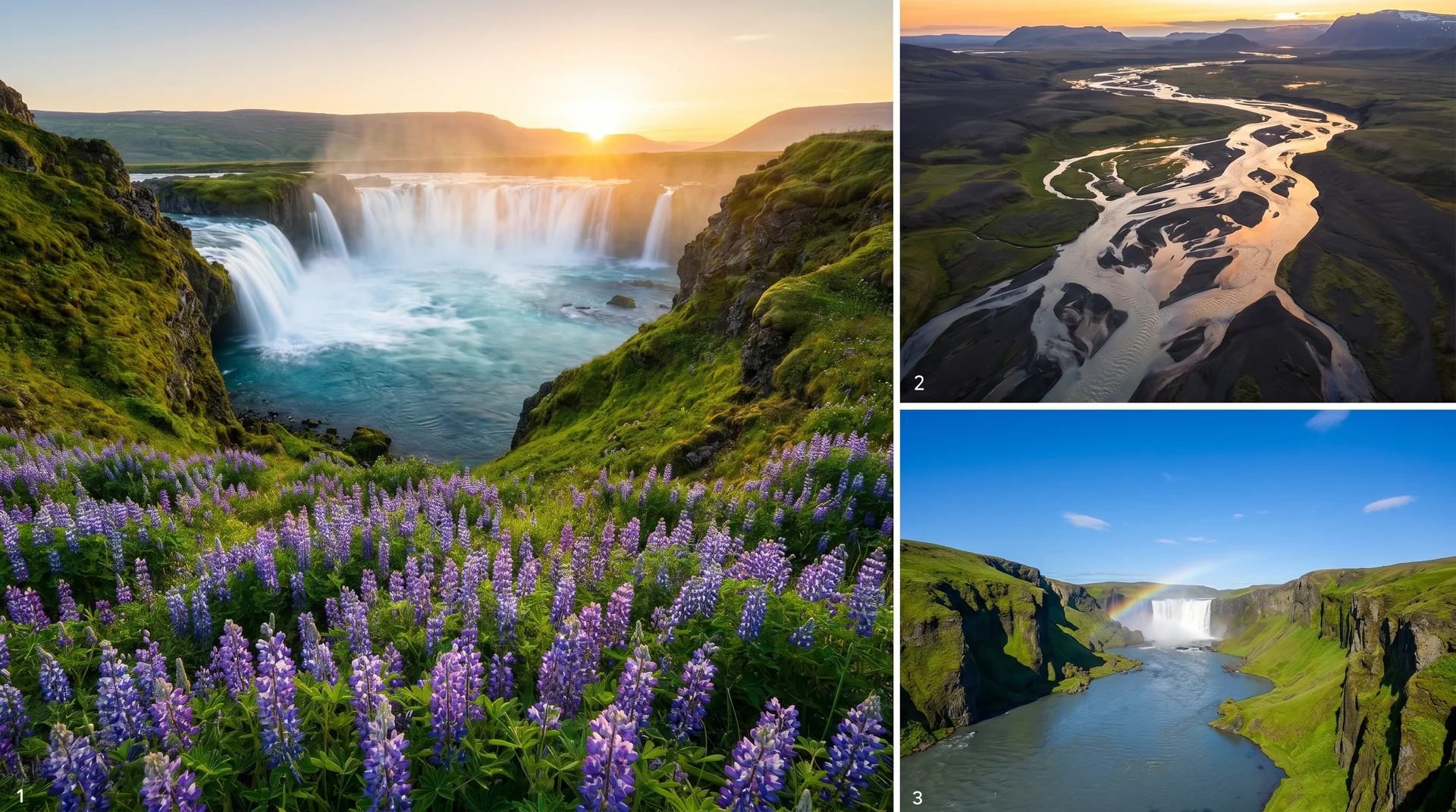
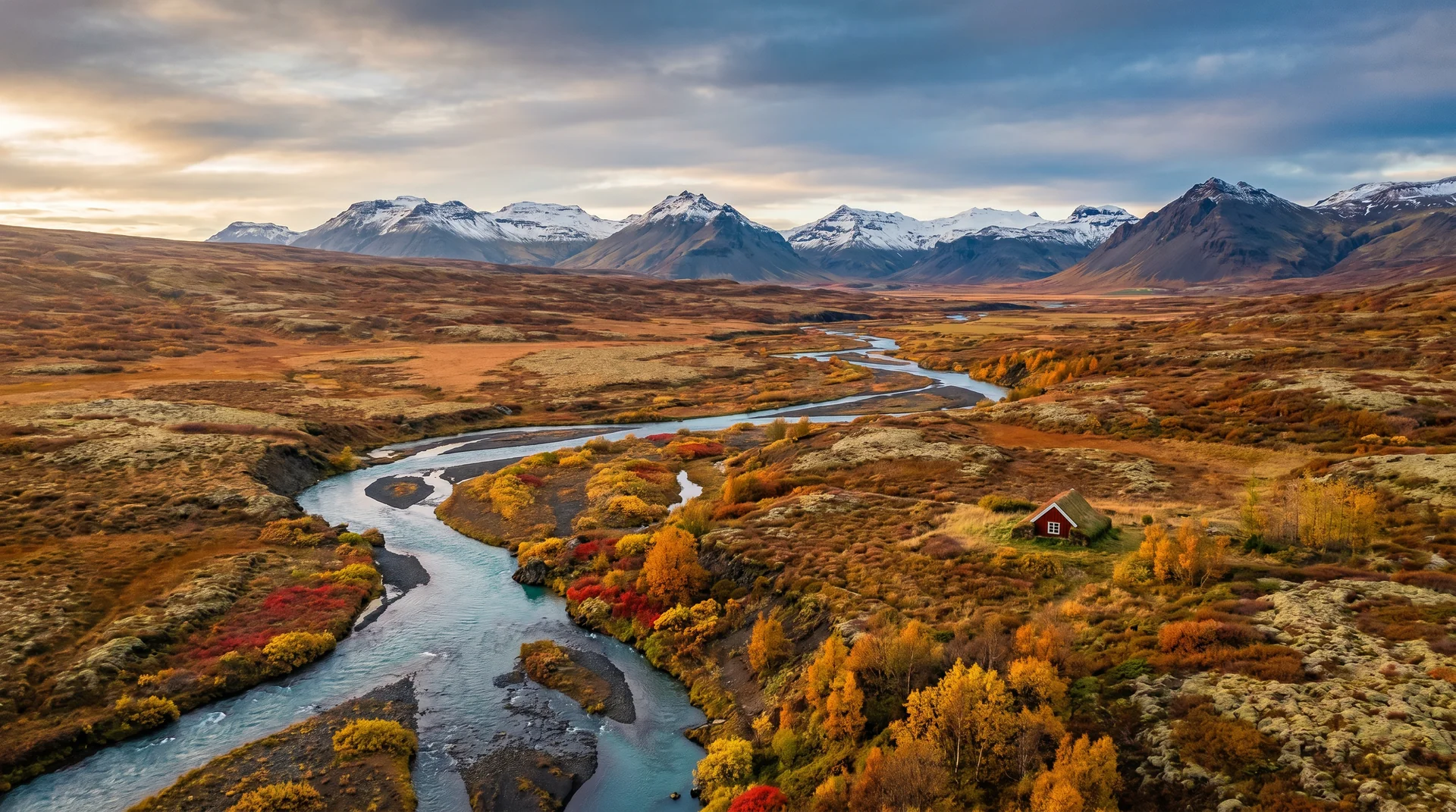
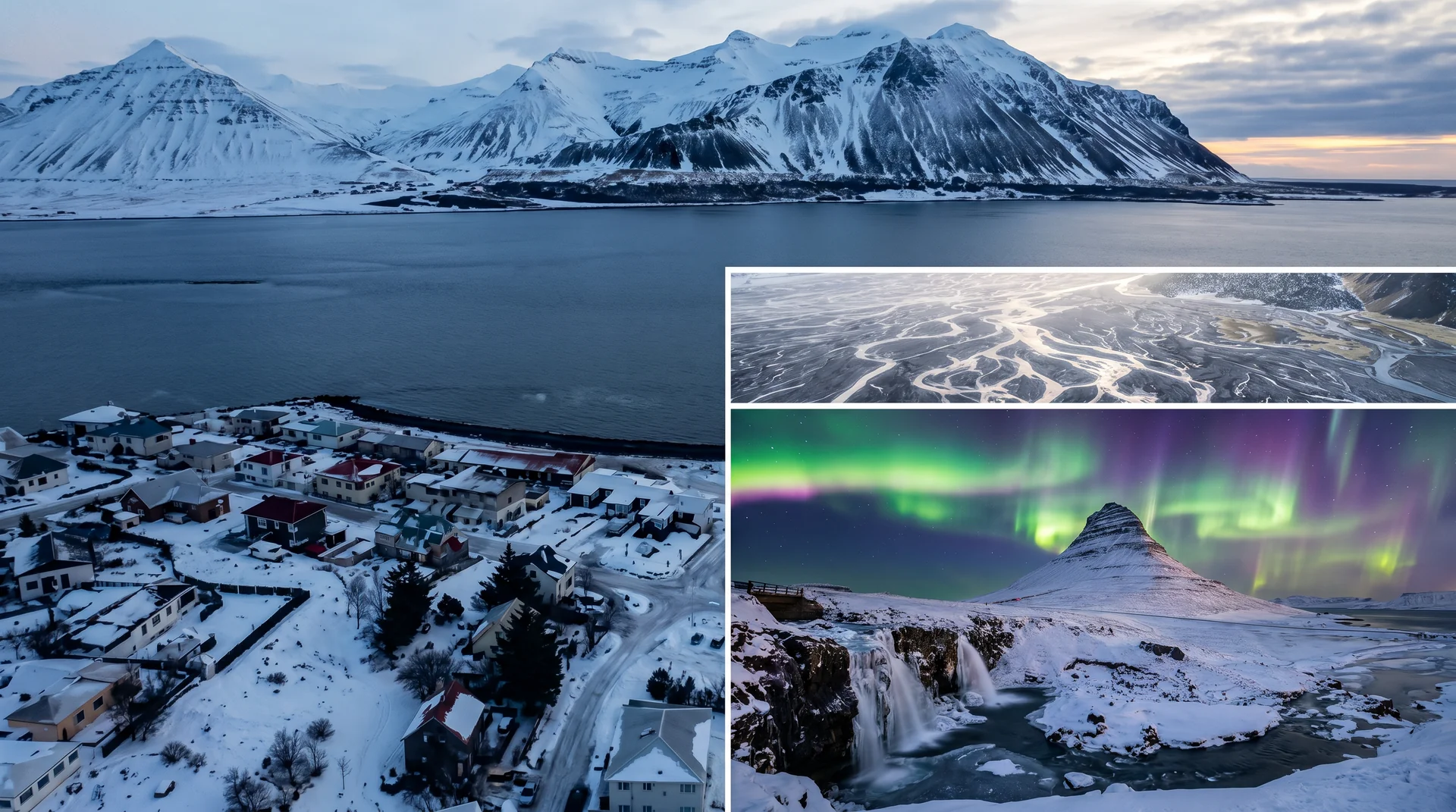
The place, four ways.
Within an hour.
- RauðasandurRed-and-pink sand beach
- PatreksfjörðurWestfjords village + accommodation
- DynjandiWestfjords' biggest waterfall
- BrjánslækurBaldur ferry to Snæfellsnes
- BíldudalurSea monster museum
It lives on these routes.
Read this place differently.
What the place is doing right now.
Make Látrabjarg part of your expedition.
Open it inside the Explorer to see it in context with terrain, season, and conditions — or plan a route that passes through.